Design Registration
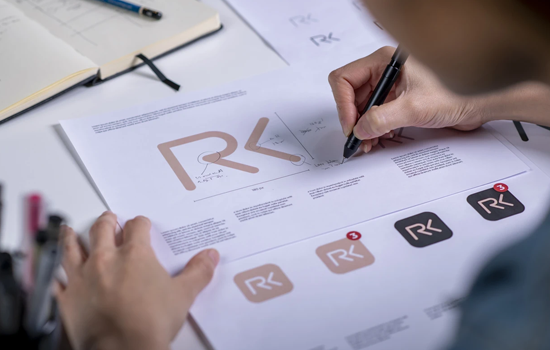
A design's original inventor is given exclusive rights to use and distribute it under the legal concept of design registration. It is a type of intellectual property protection that covers a product's outward appearance, such as its form, arrangement, pattern, and decoration.
Types of Design Registration:
Scope
Design registration protection only protects a product's outward appearance; it does not shield its internal functionality. It grants the original creator the only right to make use of, licence, or sell the design and forbids unauthorised use or duplication.
Importance
Design registration is significant because it safeguards the designers' intellectual property rights and promotes innovation and creativity. It also encourages designers to devote time, energy, and money to the development of fresh designs, which may benefit society and the economy.
Legal Protection
Government protection for designs is provided through registration with the proper authorities. A registered design is violated when it is used without authorization, and the owner has the right to file a lawsuit to end the violation and recoup damages.

Benefits
The sole right to make use of, buy a licence for, or market the registered design.
The ability to stop unauthorised use or duplication of the design. increased legal defence and the capacity to file a lawsuit for infringement if the design is used without authorization.
Promotes innovation and creativity by defending designers' rights. Gives designers a reason to devote time, energy, and resources to the development of fresh designs.
Promotes innovation and technical development by defending inventors' rights. encourages inventors to devote time, energy, and resources to the development of innovative inventions.
The opportunity to sell or licence the trademark to third parties, which could result in extra income.
Better legal defence and the capacity to file a lawsuit for infringement in case of unauthorised use.
Validity
The duration of the protection provided by design registration varies by nation but is typically between 10 and 25 years. After the first time has passed, some nations additionally permit the renewal of design registration protection. In conclusion, design registration is a crucial legal idea that safeguards designers' intellectual property rights and promotes innovation and creativity. The ability to prevent others from using or reproducing the design without permission, improved legal protection against infringement, and the exclusive right to use, licence, or sell their registered designs are just a few of the many advantages it offers creators. Depending on the nation, the protection provided by design registration is only effective for a certain amount of time.